Healthcare and real estate are connected through a practical requirement: medical professionals need suitable spaces to deliver services, establish practices, and support their communities. As healthcare organizations continue to evolve, the planning and development of specialized properties have become an important consideration within the broader business environment. Michael Bogdan brings an entrepreneurial perspective to this relationship through his interests in healthcare development, property investment, and the changing needs of medical professionals.
Understanding the Demand for Purpose-Built Medical Spaces
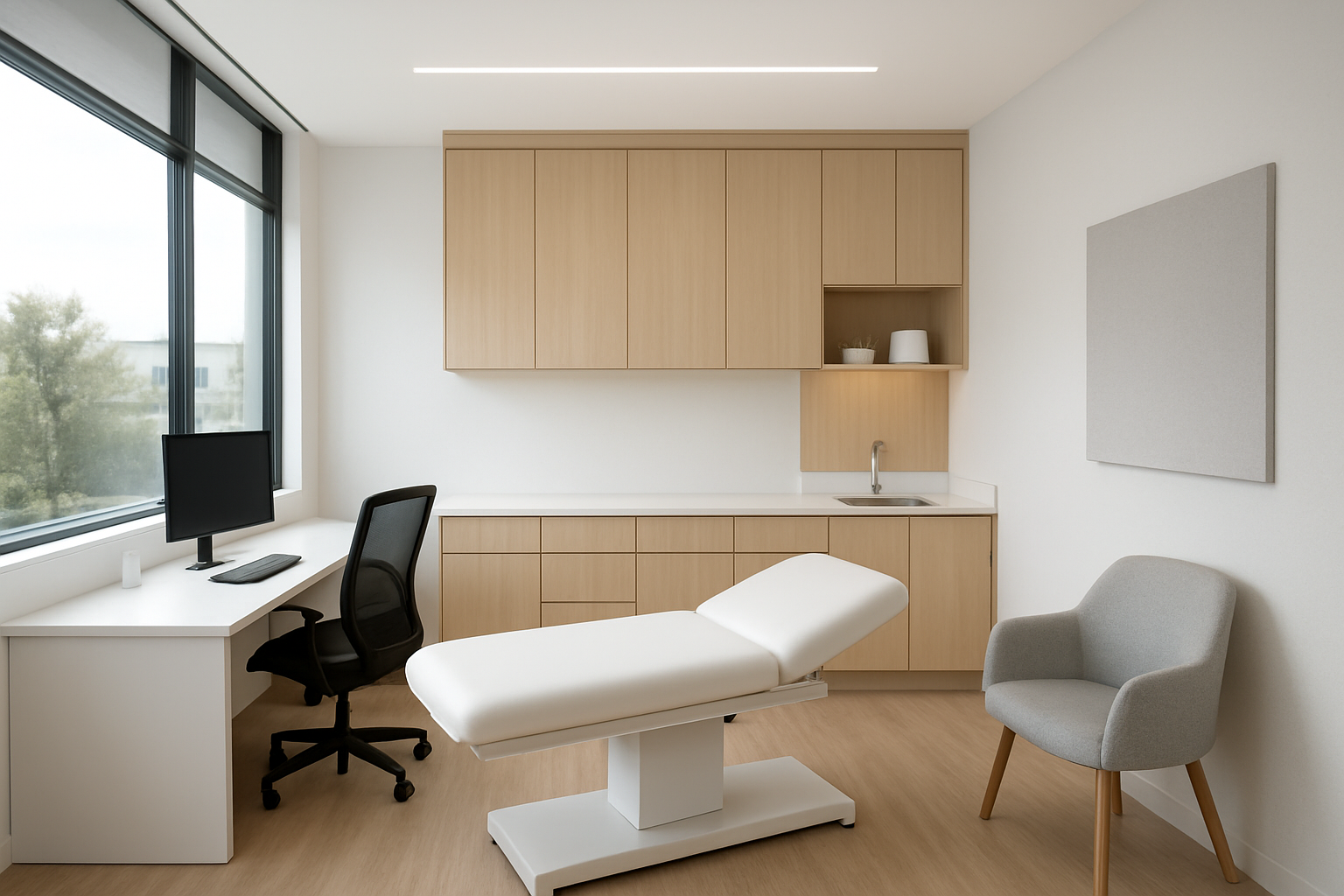
Medical properties serve a different purpose from conventional commercial buildings. Their value is closely connected to the activities of physicians, healthcare providers, and other professionals who use them.
Location, accessibility, internal layout, and functional design can influence whether a facility meets the requirements of its intended users. Considering these factors during the planning process helps align property development with professional needs.
Purpose-built environments can also provide a foundation for healthcare practices to establish their operations and plan for future growth. This makes an understanding of medical services an important consideration when evaluating healthcare-related property opportunities.
Bringing Commercial Insight Into Property Development
Successful property development involves balancing financial objectives with the practical requirements of a project. Entrepreneurs must consider the intended purpose of a property, its potential users, development priorities, and long-term suitability.
Healthcare-focused development benefits from an additional layer of understanding: the operating needs of medical professionals. A property that supports those needs can provide value through its functionality as well as its investment characteristics.
This approach encourages developers to evaluate properties according to their intended role within a healthcare community instead of viewing them solely as physical assets.
Exploring the Connection Between Healthcare and Investment
The intersection of healthcare and real estate creates opportunities for investors to participate in an industry with distinctive infrastructure requirements. Medical office properties can support physicians and healthcare providers while forming part of a broader portfolio of healthcare-related investments.
The professional interests associated with Michael Bogdan Boca Raton fl reflect this connection between entrepreneurial experience and medical property development. His focus on healthcare infrastructure illustrates how investment decisions can take into account the practical environments needed by medical professionals.
A well-considered strategy recognizes that real estate development and healthcare delivery have different objectives, while acknowledging that suitable facilities can contribute to the effective operation of medical practices.
How Medical Innovation Influences Property Planning
Healthcare facilities must remain relevant as professional practices and technologies develop. Advances in medical equipment, administrative systems, and healthcare delivery can influence the way providers use their working environments.
Property planning that considers flexibility may help accommodate changing operational requirements over time. Adaptable layouts, practical space allocation, and attention to functionality can support a property’s continued usefulness.
Awareness of broader scientific developments, including biotechnology, pharmaceutical research, and drug development, can also provide context for understanding the healthcare industry’s changing direction.
The Importance of Community-Oriented Development
Medical properties are part of the communities in which healthcare professionals operate. Their location and suitability can influence how providers establish practices and organize their services.
Community-oriented planning considers the needs of medical professionals alongside the wider purpose of healthcare infrastructure. This perspective encourages development decisions that are grounded in practical requirements and long-term usefulness.
Entrepreneurs who understand the relationship between properties and their users can evaluate projects with a more complete view of their potential role within the local healthcare environment.
Supporting the Professionals Who Shape Healthcare
Infrastructure alone cannot advance healthcare. The industry also depends on skilled physicians, researchers, administrators, and future leaders who bring expertise and commitment to their work.
Educational initiatives and scholarships can encourage students to pursue healthcare careers and develop the abilities needed for long-term professional success. Supporting future talent complements investment in physical infrastructure by recognizing the importance of people in healthcare development.
Conclusion
Healthcare real estate represents an important meeting point between business strategy, property development, and the operational needs of medical professionals. Michael Bogdan reflects an entrepreneurial perspective that connects these areas through an interest in healthcare investment and medical office properties. By considering functionality, long-term adaptability, community needs, and professional development, healthcare-focused investment can contribute to a stronger infrastructure foundation for medical practices and the continued evolution of the healthcare industry.
What You Need to Know
- Medical properties are distinct from conventional commercial buildings, as their value is linked to the activities of healthcare professionals.
- Location, accessibility, internal layout, and functional design are key factors in determining whether a medical facility meets the needs of its users.
- Successful property development in healthcare requires balancing financial goals with the practical operating needs of medical professionals.
- Healthcare facilities must adapt to advances in medical technologies and administrative systems, necessitating flexible property planning.
- Community-oriented development takes into account the needs of healthcare professionals and enhances the effectiveness of healthcare infrastructure.
- Supporting education and training initiatives for future healthcare professionals is crucial alongside investment in physical healthcare infrastructure.